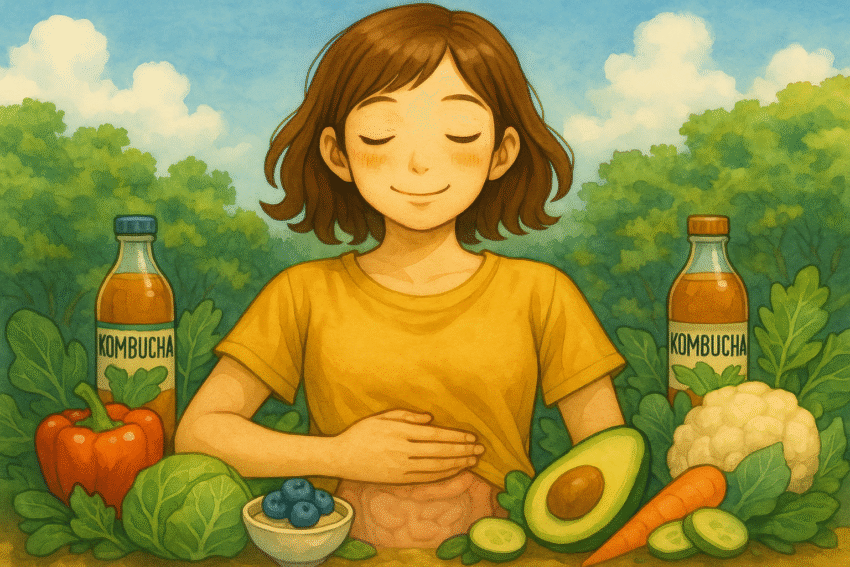
Your Gut: More Than Just Digestion
Think your gut just breaks down food? Think again. Trillions of microbes call your digestive tract home, and they’re busy communicating with nearly every organ in your body. In fact, your gut microbiome (all those bacteria, viruses, and fungi in your gut) helps regulate your immune system and even your brain chemistry (theguardian.com). About 80% of your body’s immune cells reside in the gut, and there’s constant crosstalk between gut microbes and organs like your brain, heart, and liver (clevelandclinic.org). This means a troubled gut can send ripple effects throughout your body, while a balanced gut can support everything from immunity to skin and heart health.
One of the most remarkable connections is the gut–brain axis – essentially, a two-way hotline between your digestive system and your mind. The microbes in your gut produce chemical messengers like neurotransmitters and short-chain fatty acids (SCFAs) that send signals to your brain. In fact, your microbiome not only responds to brain signals but also produces many of the same neurotransmitters, including serotonin, dopamine, and GABA (longevity.stanford.edu). Amazingly, scientists estimate that microbes in the gut are responsible for producing about 95% of the body’s serotonin, our primary “happy” hormone (longevity.stanford.edu). No wonder researchers say a healthy gut can mean a happier, calmer mind – your gut isn’t just digesting lunch, it’s also helping shape your mood and mental focus.
Gut–Brain Axis: Happy Gut, Happy Mind
We’ve all experienced “butterflies” before a big meeting or a stomach upset when we’re stressed. That’s the gut–brain axis in action. Your brain and gut are in constant communication through nerves (like the vagus nerve) and chemical signals. Stress or anxiety in your head can cause real physical sensations in your belly, and vice versa – an upset gut can send signals that influence your mood (zoe.com). This two-way connection means mental and digestive health are deeply intertwined. If you’re anxious or upset, your gut knows it: studies have found that people with mood disorders often show disruptions in their gut microbiome balance (zoe.com). On the flip side, when your gut is healthy, it tends to send more positive signals upstairs – contributing to a stable, positive mood.
In fact, managing your mindset is part of caring for your gut. Chronic stress is known to disrupt the balance of gut bacteria, increasing inflammation and even reducing the diversity of beneficial microbes you have (longevity.stanford.edu). (Less diversity = a weaker, less resilient gut community.) The good news: cultivating positive emotions and stress-relief habits can do the opposite. When you’re feeling happy and grateful, your brain essentially gives your gut an “all clear” signal. This triggers the vagus nerve to tell your digestive system that everything’s okay, allowing your good bacteria to thrive (and leaving less room for the bad guys) (justthrivehealth.com). In other words, being mindful, practicing gratitude, and finding joy aren’t just good for your head – they actively create a friendlier environment for your gut microbes. It’s a virtuous cycle: a calm, happy mind helps foster a healthy gut, which in turn can keep you feeling more calm and happy!
Good vs. Bad Bacteria: What Science Reveals
So what exactly is a “good” bug or a “bad” bug in your gut? Cutting-edge research is starting to give us answers. ZOE’s PREDICT study – one of the largest nutrition and microbiome studies in the world – analyzed thousands of gut microbiome samples. The result: scientists identified 50 specific “good” gut bacteria linked to positive health outcomes, and 50 “bad” bacteria linked to poorer health outcomes (zoe.com). In simple terms, they found that certain microbial species are associated with better metabolism and blood sugar control, while others correlate with tendencies toward obesity or high blood fat levels. For example, some of the “good” bugs were linked to healthy blood sugar responses after meals, whereas several “bad” bugs were associated with obesity and even risk factors for heart disease (zoe.com).
Why does this matter? It suggests that the balance of bacteria in your gut can tilt your health one way or the other. In general, having more of those beneficial bugs is linked to lower inflammation and a smoother metabolism, meaning better control of blood sugar and how you store fat. On the other hand, a gut that’s missing many of the “good guys” (and overrun with opportunistic bad ones) is often tied to problems like weight gain, blood sugar spikes, and higher risk of chronic conditions (zoe.com). In one striking example, when a volunteer ate nothing but junk food for ten days, he didn’t gain much weight but lost about 30% of his gut microbial species, leaving his microbiome significantly less healthy (theguardian.com). The takeaway: feed your good bacteria and they’ll return the favor by keeping inflammation low and your metabolism humming (zoe.com). Neglect them, and the “bad” bugs may gain ground, potentially driving up inflammation and other issues. It’s a new frontier of science, but it’s clear that a gut full of friendly microbes = a foundation for good health.
Balance and Diversity: The Secret to a Healthy Gut
While we often talk about “good” and “bad” bacteria, it’s not a simple black-and-white story. Context is key. As microbiologists point out, there is really no universal good or bad microbe – a bacterium that’s beneficial in one person might be harmful in another (theguardian.com). For instance, you normally have some E. coli living peacefully in your intestines; it can even help produce vitamins. But certain strains of E. coli can cause severe illness (theguardian.com). What matters is the balance and environment of your whole microbiome. Think of your gut like a garden: you want a rich variety of plants keeping each other in check. One weed in a garden full of flowers isn’t a big deal – but if that weed overruns the whole plot, then you have a problem. In the same way, maintaining balance (no one microbe taking over) is more important than labeling a bug as inherently “evil.”
The best indicator of a balanced gut? Diversity. A wide variety of microbial species is generally a hallmark of good gut health and resilience. Studies show that a healthy gut microbiome is diverse, filled with different beneficial bacteria – and that diversity tends to drop with age, especially if diet and lifestyle don’t support it (zoe.com). When diversity decreases, we often see trouble: older adults, for example, tend to lose some of their fiber-loving “good” bugs and instead gain more inflammatory “bad” bugs as part of aging. This loss of friendly microbes contributes to higher levels of baseline inflammation – a phenomenon nicknamed “inflammaging,” meaning inflammation that drives aging (zoe.com). Essentially, fewer good guys producing anti-inflammatory compounds (like SCFAs such as butyrate) means the immune system stays a bit overactive, causing low-grade inflammation (zoe.com). The key to avoiding this isn’t trying to micromanage each microbe; it’s to nourish a rich, balanced ecosystem in your gut. By eating a wide range of plant foods and fermented foods (more on that next), you encourage microbial diversity – helping the beneficial bacteria thrive so they can keep the opportunists in check. Balance and diversity in your gut microbiome are like a strong immune army: diverse troops with different skills that, together, keep you healthy, energized, and resilient.
How to Build “Good” Gut Bacteria — All Vegan, All Indian
Okay, so how do we foster those friendly microbes? The great news is that diet is a powerful tool for shaping your gut community – and you don’t need exotic ingredients or animal products to do it. In fact, many traditional Indian practices are fantastic for your microbiome (and they’re completely plant-based). The first strategy is to feed your good bugs with prebiotics – these are basically fiber-rich foods that your microbes love to munch on. Think of fibers as the “fertilizer” for your gut garden. When you eat foods high in certain fibers (like inulin, resistant starch, and other complex carbs), you’re providing nourishment for beneficial bacteria to grow and multiply (zoe.com). Classic Indian staples naturally deliver prebiotics: garlic, onions, leeks, whole grains (rotis, brown rice), millets, lentils, oats, and vegetables all contain different types of fiber that fuel a diverse microbiome. Even spices and seeds play a role – for example, fenugreek seeds (methi) are about 50% soluble fiber by weight, which acts as a prebiotic to boost gut bacteria (bmrat.org). A simple microbiome-friendly ritual is to soak a teaspoon of fenugreek seeds in water overnight and drink it in the morning; this traditional practice gives your gut a fiber-rich, prebiotic boost to start the day. Essentially, focus on plant-based diversity: the more types of fruits, veggies, grains, nuts, and seeds you eat, the more different “good” microbes you’ll invite to set up home in your gut.
The second strategy is to introduce beneficial bacteria directly through fermented foods – our natural probiotics. These foods are teeming with live cultures that can help replenish and diversify your gut flora. Fortunately, Indian cuisine has no shortage of delicious fermented options! If you’re eating plant-based (vegan), you can try coconut curd or peanut curd as a substitute for yogurt – they’re made by fermenting coconut milk or peanut milk, resulting in a tangy curd rich in gut-friendly lactobacillus bacteria (just like dahi, but dairy-free). South Indian staples like idli and dosa are perfect probiotic foods too. Their batters of rice and lentils (or millets) are fermented overnight, which not only gives them that signature sour flavor but also loads them with live cultures. Enjoying idli/dosa with chutneys and veggies makes for a gut-loving meal. Even achar (pickle) can be probiotic if it’s naturally fermented – try homemade pickles with minimal oil and salt so the good bacteria thrive. And don’t forget beverages: Kombucha, a fizzy fermented tea, has become popular globally and for good reason. It’s packed with probiotics, organic acids, and antioxidants. Early research suggests that kombucha can reduce inflammation and oxidative stress, support liver health, and even improve gut microbiota balance (pubmed). In one recent clinical trial, just one cup (about 200 ml) of kombucha per day significantly boosted beneficial gut bacteria that fight inflammation and support metabolic health (newatlas.com). (Tip: kombucha is best enjoyed in small amounts – around half a cup to one cup per day – because it can be acidic and often contains sugar. A little goes a long way for your gut!) If kombucha isn’t your thing, traditional Indian herbal brews can help your digestion too. Sipping on a warm ajwain (carom) and fennel seed infusion after meals is a time-honored remedy for bloating and indigestion. These herbs won’t introduce new microbes, but they can soothe your GI tract and keep your gut moving happily.
In summary, nourishing your gut comes down to a few simple habits: feed your microbes lots of fiber (the more plant variety, the better), and regularly consume natural probiotics through fermented foods and drinks. Your gut bacteria will reward you by multiplying the “good” colonies, crowding out the “bad” ones, and pumping out beneficial compounds. The result? Better digestion, lower inflammation, a stronger immune system – and even improvements in mood and energy. It’s truly amazing that by making mindful food choices (all vegan and often guided by Indian culinary wisdom), you can cultivate a thriving inner world of microbes that, in turn, take care of you.
Connect With Me
Thank you for reading. 🙂
If you’d like to continue the conversation, feel free to reach out to me on LinkedIn. I’d love to hear your perspective.