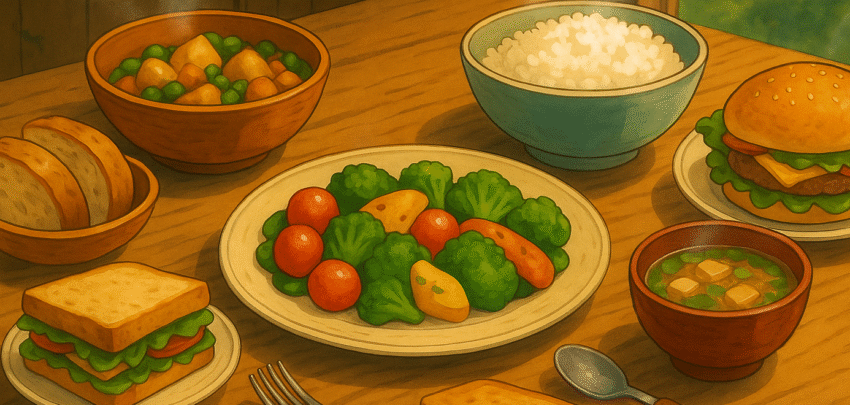
Are our meals guided by convenience, tradition or a growing awareness of what’s possible?
For most of human history, eating was about survival. Knowledge was limited and choices were few. Food, especially meat, was hard won. Every meal was the result of effort, luck, and gratitude for whatever nature provided. Our ancestors ate what they could find, gather, or hunt, with little room for luxury or waste. Today, with more understanding than ever, our relationship with food is changing in ways our ancestors could hardly imagine. Science, abundance, and a growing awareness of our impact have transformed how we think about what lands on our plates. Each meal now offers a chance to reflect, to make new choices, and to shape a future that honors both tradition and progress.
Survival & Scarcity: Why Meat Was Essential Then
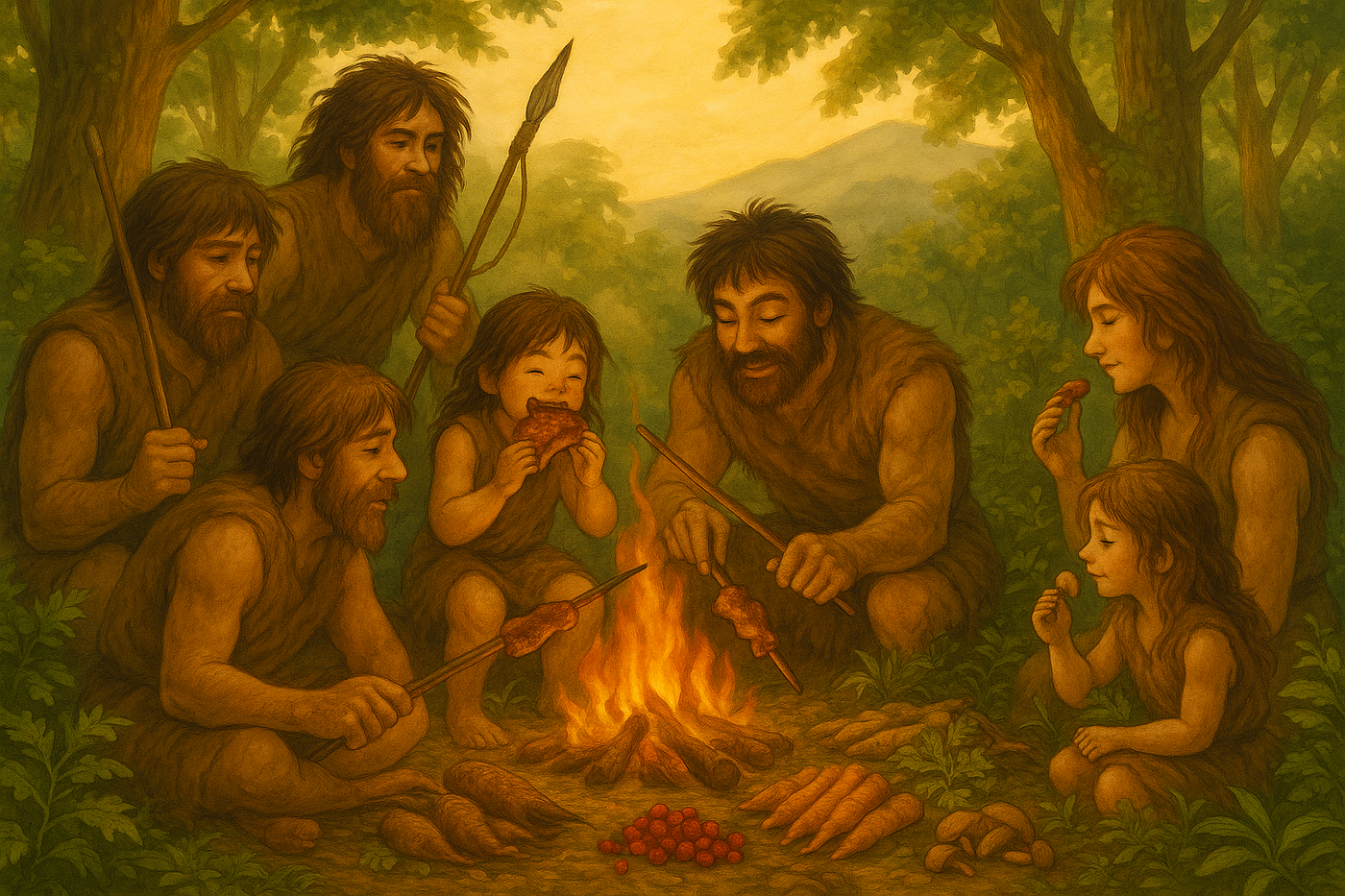
In ancient times, survival was everything. For our ancestors, eating meat was the result of persistence and hard work. Hunting required skill, teamwork, and sometimes days of effort, making a successful hunt a moment of reward that was shared with family and community. Alongside meat, their diets were filled with high-fiber foods such as nuts, seeds, roots, tubers, and wild fruits and vegetables gathered from the landscape. Groups like the Hadza of Tanzania, one of the world’s oldest hunter-gatherer communities, still show nearly double the gut microbiome diversity of a typical Western diet because of this variety. When food was extremely scarce, such as during the Ice Age, people relied more heavily on meat to survive. But whenever plant foods were available, they played a central role, helping our ancestors thrive and shaping the foundations of both their health and their culture.
The Industrial Shift: From Scarcity to Abundance, But At What Cost?
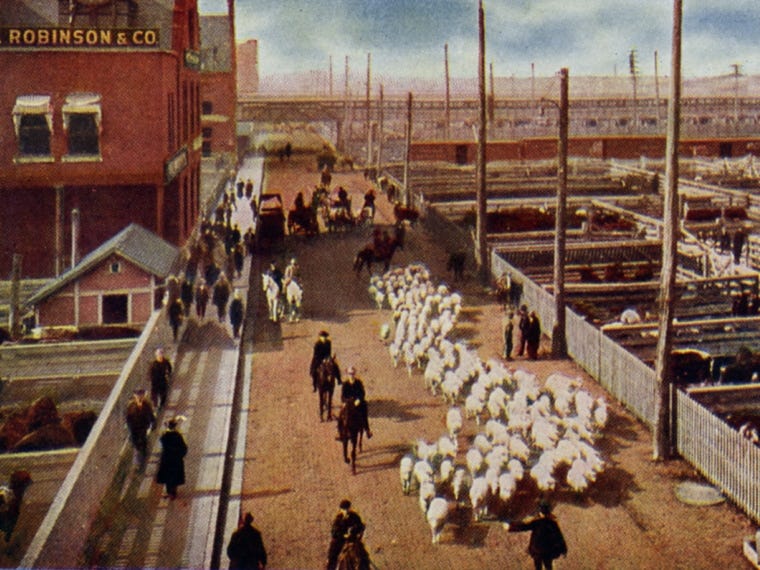
The first large, modern slaughterhouse was built in Chicago in 1867, just 150 years ago. Before this shift, meat was processed locally, often on small farms or at neighborhood markets, and was treated as a rare, meaningful part of the meal. With the rise of Chicago’s Union Stock Yards, along with new railroads, refrigeration, and the assembly line, meat suddenly became abundant and cheap.
Everyday access to meat is not a timeless tradition but a recent invention. For most of human history, meat was scarce and special. Now it is easy, effortless, and everywhere. Technology and industry moved meat from being a rare treasure to an everyday commodity.
This abundance brings new challenges: a loss of connection to our food, mounting sustainability concerns, and an industry unrecognizable to our ancestors. For most people today, eating meat is no longer about tradition or survival. It is simply easy and often, we never have to think about where it comes from or what it truly costs. Recognizing how new this system really is helps us ask an important question: just because something is convenient and common, does that make it right for us today?
The Explosion of Knowledge: Science Changes Everything
Unlike our ancestors, we now know so much more about nutrition, health, and the environment. Science has helped us unlock the details of what makes food nourishing, from the essential amino acids and proteins our bodies need to the complex roles of vitamins, minerals, and fiber. We understand how different foods interact with our bodies and our brains, and how nutrition is connected to long-term well-being.
With so many discoveries, our choices are changing. We now know that protein, strength, and energy can come from a wide range of foods, not just from animal sources. Plant-based proteins like soy, lentils, beans, tofu, and nuts provide complete nutrition and support strong, healthy bodies. Modern plant-based alternatives such as Beyond Meat and Impossible Burger use this knowledge to create familiar flavors and satisfaction with fewer health risks. Armed with this understanding, we are no longer guided by tradition or guesswork. Instead, we have the power to choose foods that reflect both our well-being and our values.
Facing Reality: From Hunter’s Courage to Modern Empathy
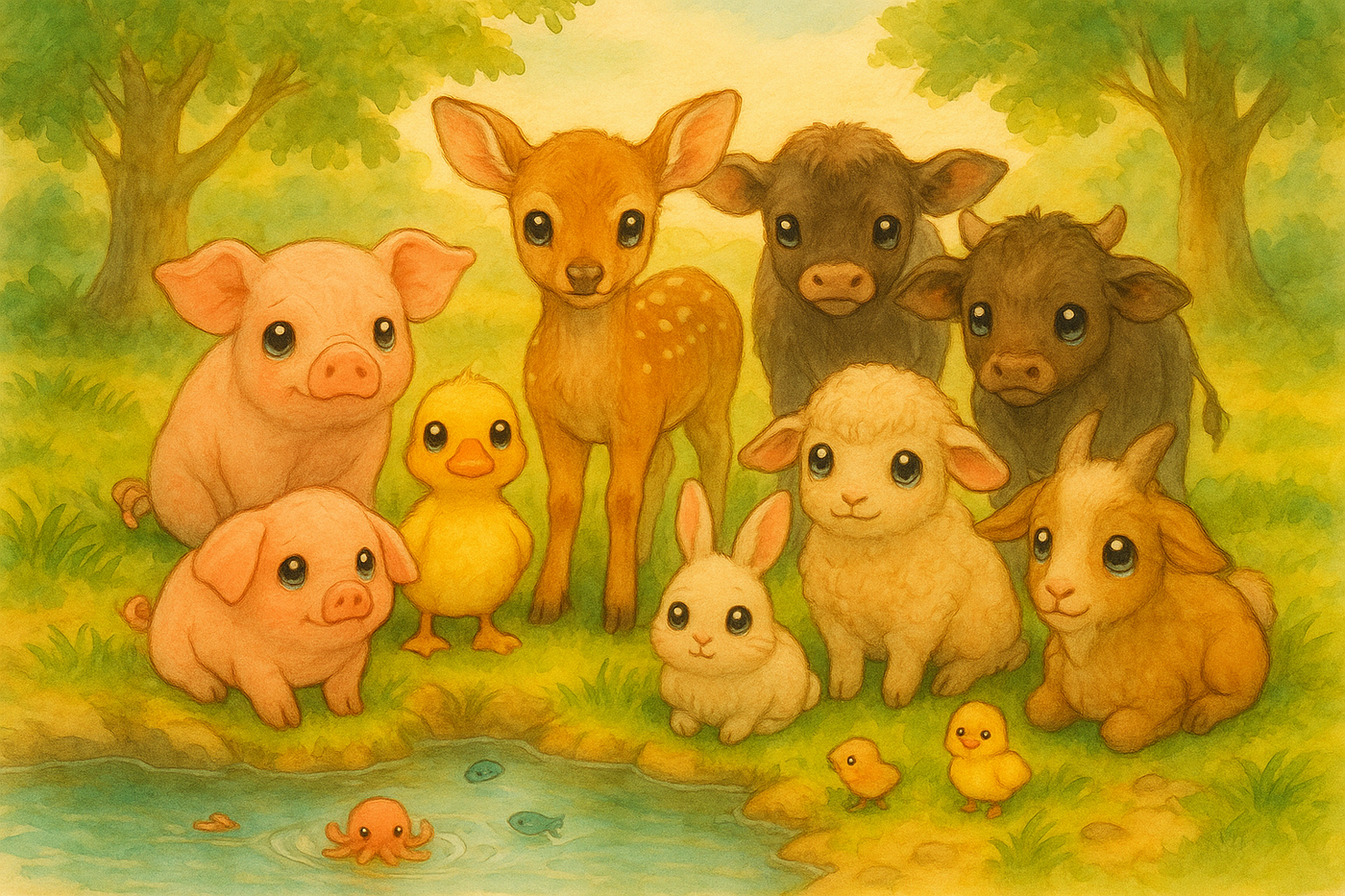
Once, eating meat meant facing the animal directly, hunting, killing, and accepting the true cost of each meal. It required a willingness to witness and take responsibility for the process, and every bite was earned through real effort. Today, most of us would struggle to do the same, reflecting just how much our empathy and emotional awareness have grown. Now, nearly all of the difficult and uncomfortable parts happen far from view in industrial facilities. A 2016 survey found that more than two-thirds of Americans said they would not want to visit a slaughterhouse or see the process firsthand (Faunalytics, 2016). This distance invites us to ask whether staying disconnected from our food is truly serving us, and whether our choices might change if we had to face what is really involved.
Not all progress is worth embracing, especially as we face new challenges like environmental strain, exploding population, and loss of connection. The courage of today may not be about hunting, but about questioning, caring, and making choices that reflect what we now know and feel. Some say that farm animals are bred for food, and it is different from eating wild animals. It is true that most meat today comes from animals raised on farms rather than hunted in the wild. But does being bred for food really change an animal’s ability to feel pain, fear, or joy? A farmed animal’s experience is still real, and their instincts and emotions are as strong as any wild creature’s.
The idea that an animal’s purpose is to be food is a story we have created as a society. Yet, for most of us, the thought of killing or hurting an animal ourselves is still deeply uncomfortable. If we cannot imagine doing it with our own hands, does it feel right to eat the result simply because someone else did it for us? As our understanding and empathy grow, it is worth pausing to ask if our choices still reflect what we know and value now.
Emotional Intelligence & Empathy: Growing Our Circles of Care
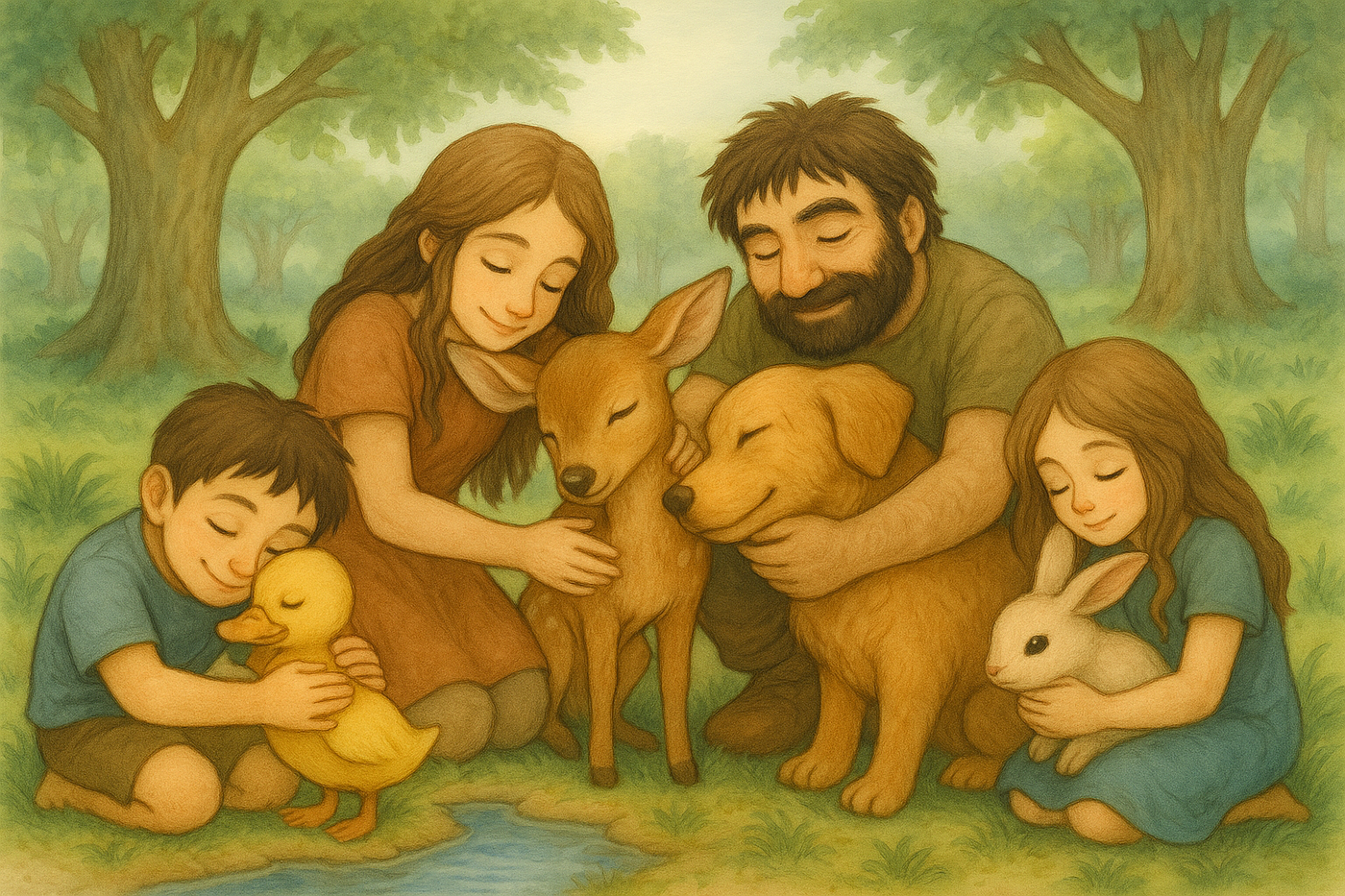
In earlier times, our understanding of animals was limited and our connection to them was mostly practical. Today, advances in neuroscience and psychology reveal that both humans and animals have rich emotional lives, capable of deep bonds and empathy when shown love and care. As our own brains and emotional intelligence have developed, so has our capacity for compassion and awareness of the experiences of others. We now understand that animals feel pain, deep fear, fear of death, and the agony of being separated from family or a baby in slaughterhouses. Scientific research shows that many animals form strong social bonds, experience joy, affection, and even grief, and respond deeply to kindness from both humans and their own kind. Empathy has never been more widespread; surveys show that more people today identify as “empaths” or highly sensitive than ever before (see Barron & Kahn, 2021, PLOS One), and there is a growing movement toward spirituality, mindfulness, and reconnecting with nature and the universe. This new awareness is reshaping how we think about food, compassion, and the true impact of our choices, encouraging us to expand our circles of care beyond ourselves. Just as our understanding of the world has evolved with every century, this deeper awareness should also inspire us to rethink the way we eat today.
Society’s Myths: Just Because We’ve Always Done It, Doesn’t Make It Right
Throughout history, society has taught us things that, looking back, seem unthinkable today:
- Certain races or classes are superior
- Marriage is only for a man and a woman
- Patriarchy is natural and unchangeable
- Slavery is acceptable
These beliefs shaped our world for generations, often going unquestioned until people started to challenge them, speak up, and change the story.
Eating animals has been another “norm” handed down for centuries, often justified by tradition, culture, or convenience. But like all other social myths, just because it has been done for generations does not mean it is right for today. If we can rethink the rules around gender, equality, love, and human rights, maybe it is also time to rethink our relationship with animals, food, and compassion.
Given our emotional intelligence, our deeper understanding of cruelty, psychology, the science of food, and sustainability, we have more insight than ever before. Sometimes progress means letting go of what no longer serves us or aligns with our values, so we can create a kinder, healthier, and more thoughtful future for all.
Carnism: The Invisible Belief Behind What We Eat
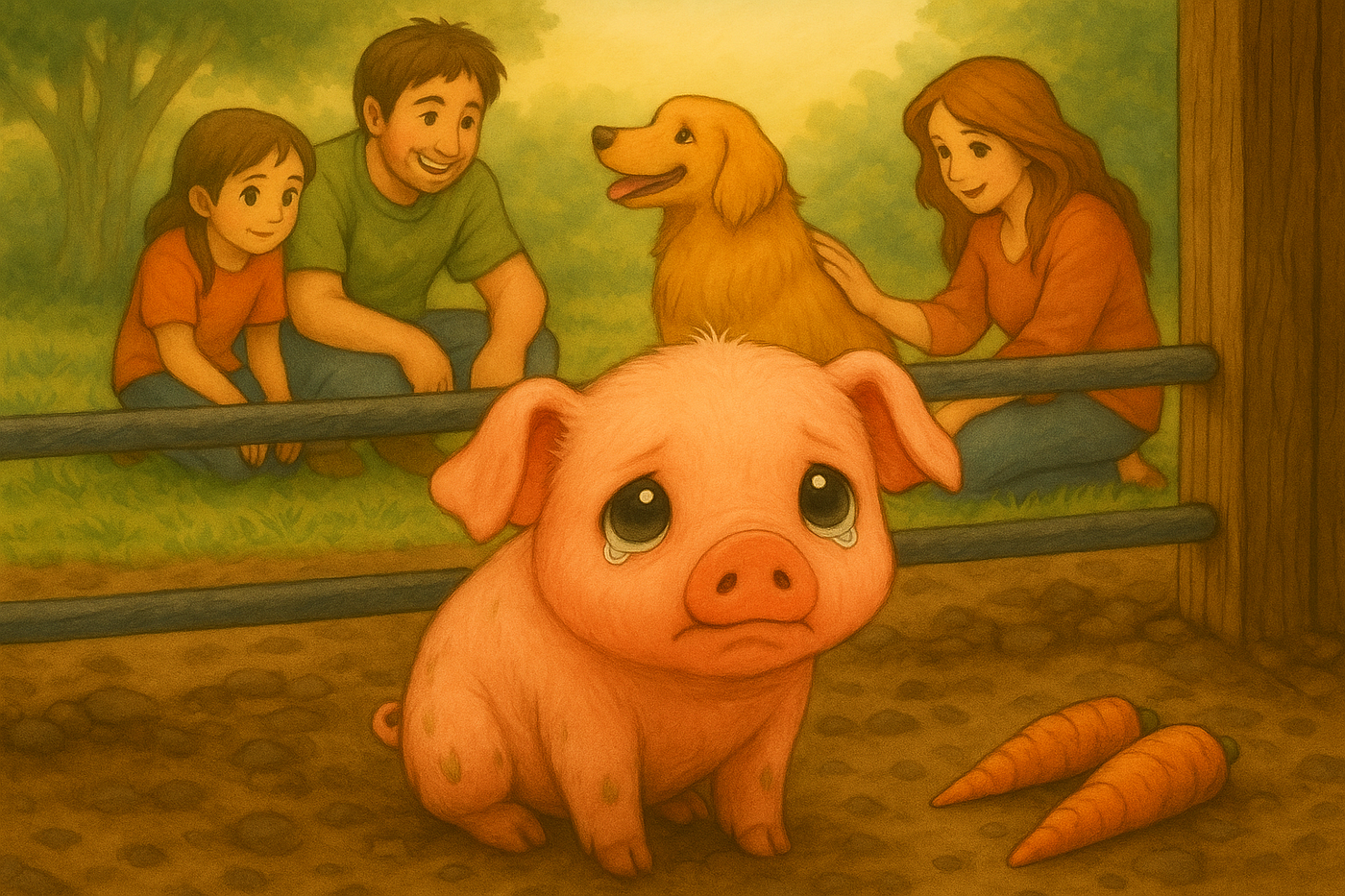
There is another social story many of us rarely stop to question: carnism. This term, coined by psychologist Dr. Melanie Joy, describes the invisible belief system that conditions us to eat certain animals, like pigs, cows, and chickens, while loving and protecting others, like dogs or cats. Why is it that in many cultures, a dog’s life is considered sacred, but eating a pig is seen as perfectly normal? Why do we instinctively recoil at the thought of eating some animals, while seeing others as food without a second thought? That is carnism at work – a set of cultural beliefs so deep and familiar that we often do not even realize they exist.
But just like other social myths about gender, equality, or tradition, carnism is a belief, not a fact. The value of a life is not determined by species, tradition, or habit. The only thing separating a pet from pork is the story society tells us. As our awareness grows, so does our empathy. Maybe the next step is to question not just what we eat, but why we eat it, and whether those old beliefs still fit with what we know and value now.
A New Freedom: Creating Traditions for a Kinder Future
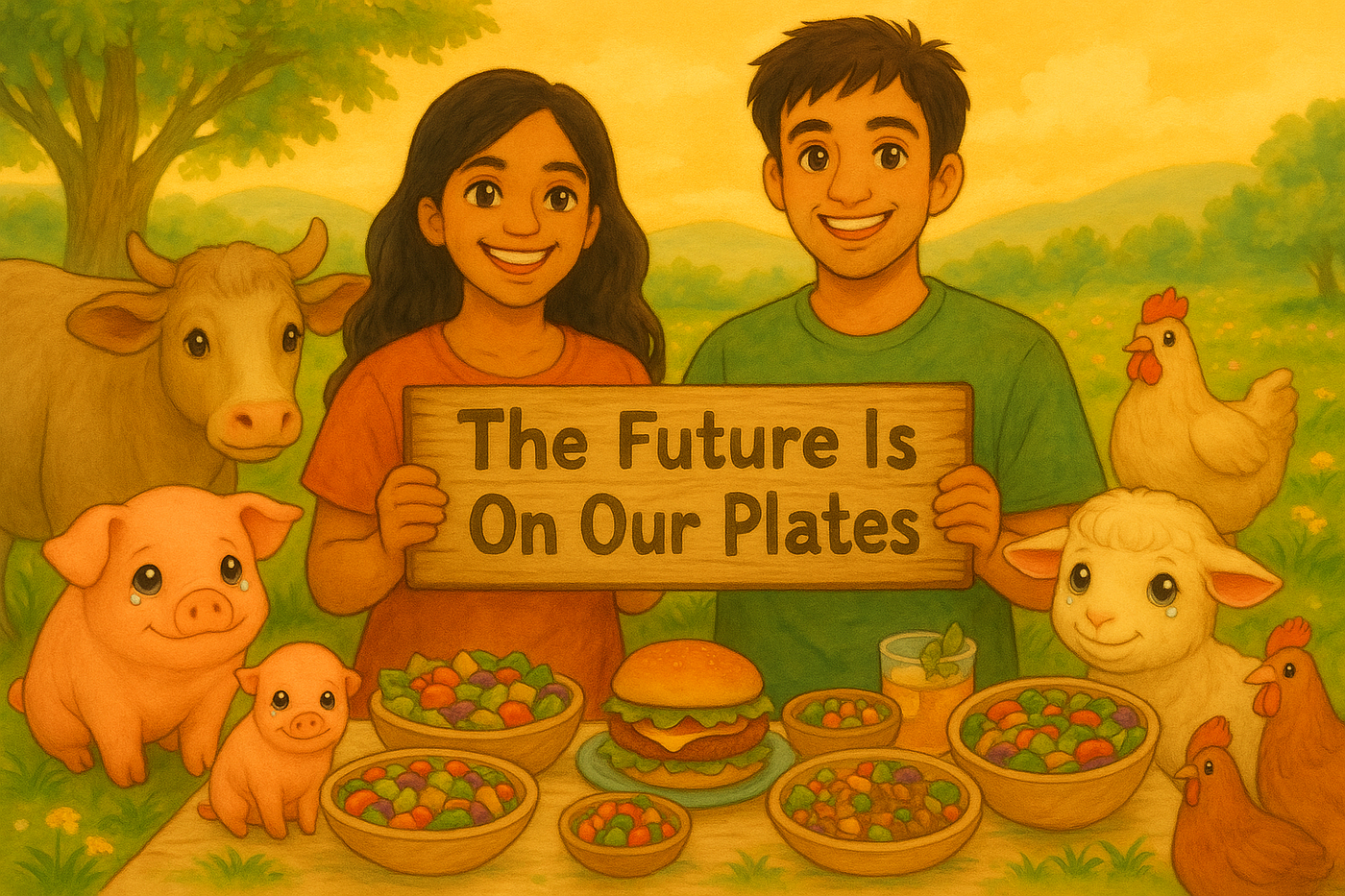
Knowledge is powerful. Today, we have more understanding than ever about nutrition, health, and the ways our choices affect the planet and those we share it with. Busting the old myths about protein and nutrition, there is now ample research showing that plant-based proteins offer complete nutrition and can be better for our health than meat. Recognizing how society has shaped our beliefs about food is the first step toward real change. In this new world, we are needed as more compassionate and understanding humans, not just to save the environment, but to be kinder to those who cannot speak for themselves. The choice is in our hands, yours and mine. Together, we can adapt, grow, and create a future where our meals reflect not just what is convenient, but what is truly right.
If you are ready to explore, try a new plant-based recipe, or let a documentary like Cowspiracy, What the Health, or The Game Changers inspire you. Every meal is an opportunity to stand for your values and help shape a kinder, healthier world. This journey starts with each of us. The future is on our plates. Let’s create it together.
Connect With Me
Thank you for reading. 🙂
If you’d like to continue the conversation, feel free to reach out to me on LinkedIn. I’d love to hear your perspective. You can also follow me on Medium for more articles on food and the future of eating.